Why Face ID, Geolocation, and Fast Payouts Make Betting Apps Better Than Desktop
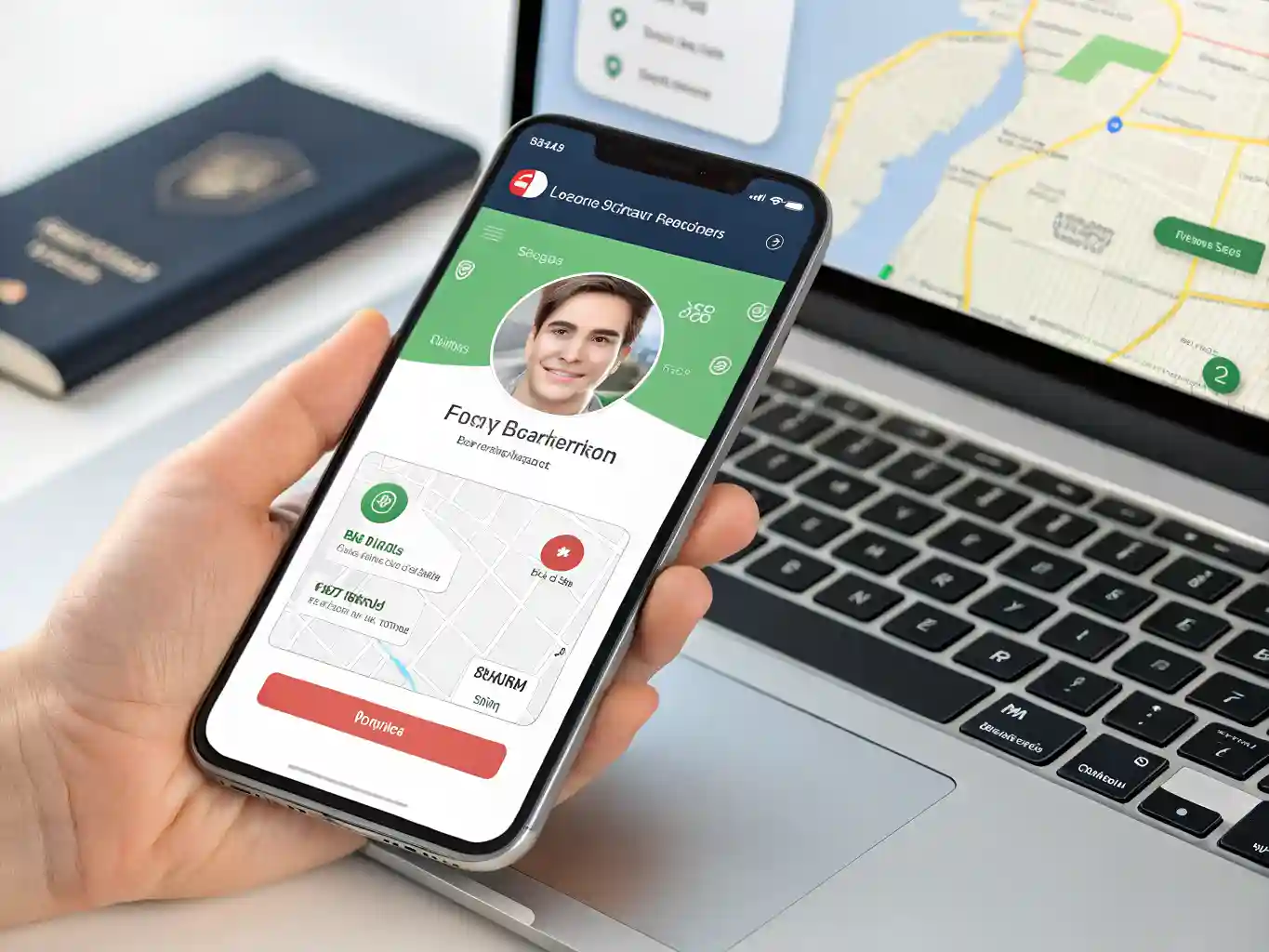
Mobile betting stopped being just a smaller copy of the desktop experience a long time ago. The best bookmaker apps are now built around habits people already have: unlocking a phone with a glance, checking live information on the move, and expecting money to arrive quickly without friction. That shift matters because sports betting is not only about odds and markets. It is also about timing, trust, and how smoothly a user can move from decision to action.
A desktop platform still works well for deep research, long sessions, and multi-window analysis. It can feel comfortable for bettors who like to study statistics, compare lines, and manage several tabs at once. Yet the part of the experience that truly shapes loyalty is often much simpler. Users want quick entry, clean verification, accurate access, and payouts that do not force them into a waiting game. On these points, mobile apps often outperform PC versions in ways that are practical rather than cosmetic.
Face ID reduces login friction without making security feel heavy. Geolocation makes access smarter and more compliant, especially in regulated markets. Fast payouts turn a bookmaker from a place where money gets stuck into a service that feels responsive and dependable. Together, these features give the betting app a daily advantage over the traditional desktop version, not because mobile is always more powerful, but because it is closer to the way people actually behave.
Face id changes the meaning of convenience
The difference between logging into a PC bookmaker account and opening an app on a phone may seem small on paper. In reality, that gap affects the entire rhythm of use. Desktop access often depends on passwords, browser sessions, two-step confirmations, and occasional re-entry after the page times out. None of that is unusual, but each extra step creates a chance for hesitation. Many users do not leave because the odds are bad. They leave because the process is slightly annoying at the exact moment they want speed.
Face ID changes that pattern. It gives the user fast entry without asking them to choose between convenience and protection. A bettor can open the app, confirm identity in a second, and move straight to the markets. That matters most during live betting, when odds move fast and hesitation has a direct cost. A mobile app with biometric login feels less like signing into a financial platform and more like opening a tool that is already ready to work.
The emotional effect is just as important as the practical one. Password-heavy systems create distance. Face ID creates continuity. The app feels personal, immediate, and private. There is no visible struggle with forgotten credentials, no need to type a long password on the train or in a café, and no weak temptation to save credentials in unsafe ways just to avoid friction later.
This also improves security behavior. When access is annoying, users often compensate badly. They reuse simple passwords, avoid logging out, or store data carelessly. Biometric entry reduces that temptation. Stronger protection becomes easier to live with, which is exactly what good product design should achieve. A feature is valuable not only when it adds protection, but when it makes good habits more natural.
Desktop versions can support strong security too, but the feeling is different. On a PC, the platform usually sits inside a browser, with all the usual browser noise around it: multiple tabs, extensions, cookies, interruptions, email popups, and the general clutter of desktop work. A mobile app narrows the experience. The login moment is cleaner, the identity check feels built into the device itself, and the user receives a stronger signal that the environment is controlled.
That sense of control matters even more in betting because money is involved. A user may tolerate a clumsy login on a news site. They are less forgiving when deposits, wagers, and withdrawals depend on the same account. Face ID does something subtle but powerful here: it turns security from a barrier into a reassurance. That shift is one of the reasons bookmaker apps often feel more advanced than their desktop equivalents, even when the betting markets are technically the same.
Geolocation makes mobile betting more accurate and more useful
Geolocation is often discussed only as a regulatory requirement, but its product value is broader than that. In many jurisdictions, bookmakers must confirm where a user is before allowing certain actions. On desktop, that process can feel awkward. Permissions may be blocked, browser requests may misfire, and the user may be left wondering why access is restricted. On mobile, geolocation tends to feel more natural because the phone is already designed around location-aware services.
That creates a better betting experience in several ways. The first is legal access. The app can confirm that the user is in a permitted region quickly and quietly, which reduces confusion and support issues. Instead of treating compliance like an obstacle, the app weaves it into the background. Users do not feel they are fighting the platform to prove where they are.
The second benefit is relevance. A mobile app can tailor promotions, local competitions, payment options, tax notices, and even interface language more accurately when location data is handled well. This is especially important for bookmakers operating across multiple states or countries with different rules. A desktop site can also adapt, but the mobile app usually does it with less friction and better precision.
The third benefit is timing. Betting is often tied to real-world movement. People place wagers before entering a stadium, while commuting, during a break at work, or while traveling domestically. A phone already moves with the user, so geolocation becomes part of a living service rather than a static check. The bookmaker app does not simply ask, “Who are you?” It also understands, “Where can you legally and practically use this right now?”
This is where app design starts to beat the PC version in everyday value. A desktop setup assumes the user comes to the platform from a fixed place. A mobile app accepts that the user’s reality is fluid. That difference matters in modern betting because the most successful products are not just feature-rich. They are situationally aware.
There is also a trust dimension here. Accurate geolocation reduces nasty surprises. When location checks are unreliable, users may encounter blocked bets, delayed withdrawals, or confusing restrictions after they have already engaged with the product. A good app handles this early and clearly. That creates a smoother relationship between the operator and the user.
The strongest bookmaker apps use geolocation without making the user feel watched in an intrusive way. They communicate why the check exists, keep it fast, and avoid turning compliance into a lecture. When that balance is right, geolocation becomes a quiet strength of the product. It protects the operator, supports legal requirements, and gives the user an experience that feels more stable than desktop browsing ever quite achieves.
Fast payouts build trust faster than any marketing promise
Users can forgive many small weaknesses in a bookmaker platform if one critical moment goes well: withdrawal. That is the moment when branding stops mattering and the product proves its honesty. Fancy odds displays, polished match centers, and bonus banners may attract attention, but payout speed is what defines whether a betting service feels reliable.
Mobile apps have an edge here because they are better positioned to connect identity, security, payment approval, and user confirmation in one compact flow. A person can log in with Face ID, request a withdrawal, confirm the action instantly, and receive status updates on the same device that stays with them all day. That chain feels direct. On desktop, the process often feels more fragmented. The user logs in via browser, checks email, confirms a code, opens banking notifications elsewhere, and waits without much clarity.
Fast payouts do more than satisfy impatience. They change the whole tone of the relationship. Slow withdrawals create suspicion, even when there is a technical reason behind the delay. Users begin to wonder whether the operator is verifying too much, creating friction intentionally, or treating deposits and withdrawals by different standards. A fast, transparent payout process sends the opposite message. It says the bookmaker is comfortable letting the money move.
Before looking at the broader product impact, it helps to compare how these strengths typically appear in mobile and desktop environments.
| Feature | Betting app advantage | Typical PC limitation |
|---|---|---|
| Account access | Face ID or biometric entry feels instant and secure. | Passwords, browser sessions, and repeated logins slow the process. |
| Location checks | Device-based geolocation is usually faster and more accurate. | Browser permissions can fail or feel inconsistent. |
| Withdrawal confirmation | One-device flow makes approval simple and clear. | Often split across browser, email, and banking steps. |
| Notifications | Real-time alerts keep the user informed at every stage. | Browser tabs are easier to ignore or close. |
| Daily usability | Built for short, frequent, real-life sessions. | Better for long research sessions, weaker for quick actions. |
| User trust | Smooth money-out experience strengthens confidence quickly. | Extra friction can create doubt even if the platform is legitimate. |
The table shows why users often describe an app as “better” even when the core markets are the same. The difference is not only design. It is the quality of the full journey from opening the account to receiving funds.
Fast payouts also have a psychological value that operators sometimes underestimate. When a user knows winnings can be withdrawn quickly, they feel more in control of their bankroll. That control encourages healthier behavior, clearer budgeting, and a more stable perception of the platform. Slow payouts trap the user in uncertainty. Fast payouts reduce emotional drag.
A strong mobile app reinforces that sense of control through visibility. Users receive push notifications when a request is received, approved, processed, or completed. They do not have to sit in front of a desktop page refreshing a balance. The app carries the status with them. That changes waiting from a vague worry into a trackable process.
There is also a brand effect. A bookmaker can spend millions promoting trust, fairness, and premium service, but a single delayed withdrawal can damage that image. On the other hand, a clean payout experience can do more for retention than another round of promotional offers. In a crowded market, fast payouts are not just an operational strength. They are one of the clearest competitive signals a product can send.
The mobile app fits the real rhythm of betting
The strongest argument in favor of bookmaker apps is not that they replace desktop entirely. It is that they match the real timing of betting much better. Most betting activity does not happen in a quiet office environment with unlimited time and a large monitor. It happens around life. People check odds before meetings, place a live wager while watching a match with friends, verify a result in a queue, or cash out while moving between places.
A desktop platform supports analysis. A mobile app supports action. That difference is not small because modern betting behavior is built around short decision windows. Even users who enjoy detailed research often complete the final action on mobile because the phone is already in hand and ready.
Face ID, geolocation, and fast payouts work so well together because each one removes a different type of delay. Face ID removes identity friction. Geolocation removes access friction. Fast payouts remove financial friction. When those three layers are handled properly, the betting app feels lighter, faster, and closer to the user’s actual routine.
That routine also rewards platforms that communicate well. Push notifications can alert the user to price changes, withdrawal status, suspicious login attempts, event starts, and settlement updates. Desktop notifications are possible, but they are easier to miss and less naturally integrated into everyday attention. A phone is not just a screen. It is the user’s main notification hub.
The best apps also understand session length. They are designed for fast movement through key actions:
• Open the account securely.
• Check the relevant market quickly.
• Place or manage the bet without extra steps.
• Monitor outcomes and payouts in real time.
This does not mean the app must be simplified to the point of being shallow. It means the product respects the reality that many users are not there for a long browsing session. They want clean menus, readable slips, stable odds updates, and fast access to money-related functions.
Desktop versions often remain broader but less focused. They may carry more visible information, more side panels, more account pages, and more open tabs. That can be useful for experienced users doing research, yet it can also produce noise. A mobile app, when well designed, cuts closer to intent. It presents the most important actions first and lets the user complete them quickly.
This is why mobile dominance in betting is not simply a matter of habit or screen preference. It comes from product logic. Betting is time-sensitive, identity-sensitive, and money-sensitive. The device that best handles those three realities with minimal friction is likely to win more daily engagement. Right now, that device is often the smartphone.
Better security and better speed no longer conflict
For many years, digital products had to choose what feeling to emphasize. They could feel secure, which often meant slower and more demanding, or they could feel convenient, which often meant riskier and less controlled. The mobile bookmaker app has become strong because it increasingly avoids that trade-off.
Face ID is the clearest example. It protects account access while making that access feel easier. Geolocation supports compliance while making eligibility checks more accurate. Fast withdrawal systems reduce waiting while still using identity and risk controls behind the scenes. The user experiences speed, but the operator still maintains structure.
That combination is hard to replicate elegantly on desktop because the browser environment adds layers between the product and the device. A bookmaker app lives deeper inside the user’s phone. It can use native security features, native notifications, native permissions, and more direct payment-related signals. That does not make it automatically safer in every case, but it gives product teams better tools to make safety feel smooth.
This matters because trust in betting is fragile. Users are not judging the platform only by whether it works. They are judging whether it feels fair, responsive, and serious about protecting their account and money. A clumsy process weakens that feeling even when the underlying system is legitimate. A polished app strengthens it.
There are several reasons why this balance now works so well in mobile betting products:
• Native phone features reduce the need for repeated manual actions.
• Security checks can happen faster without feeling aggressive.
• The app can keep users informed instead of leaving them in silence.
• Money-related actions feel more transparent when status updates arrive instantly.
These gains are not merely technical. They shape perception. A user who withdraws money quickly after a Face ID confirmation feels that the bookmaker respects their time. A user who is blocked on desktop by a vague location error feels the opposite, even if the rule itself is legitimate.
The best operators understand that product quality is not measured only by how many features exist. It is measured by how little strain the user feels while completing important actions. That is where mobile apps are making their strongest case. They are not always richer than desktop in raw depth, but they are often better at turning high-stakes moments into smooth ones.
Desktop still has strengths, but the app wins where it matters most
It would be too simplistic to say the PC version has become useless. Desktop platforms still matter for bettors who prefer detailed analysis, larger tables, historical data comparison, and a more spacious interface. Some users simply think better on a bigger screen. For pre-match research, market scanning, and extended sessions, the desktop experience can still be excellent.
The issue is that these strengths do not always define satisfaction. Most users judge a betting product by the moments that carry the most pressure. Can I get in fast? Can I use it legally where I am? Can I get my money out without drama? Those questions shape retention much more than the elegance of a statistics page.
That is why features such as Face ID, geolocation, and fast payouts are so powerful. They do not exist at the decorative edge of the experience. They sit at its core. They solve the problems users remember most clearly.
A person may appreciate a desktop interface with ten data widgets and a broad market overview, but that appreciation weakens quickly if login is awkward or withdrawal is slow. By contrast, an app that feels secure, available, and financially responsive creates a stronger everyday bond, even if the user still visits the desktop site from time to time for deeper analysis.
The modern bookmaker does not really choose between mobile and desktop in an absolute sense. It decides which platform will feel essential. Increasingly, that essential platform is the app. The desktop version becomes the support tool. The app becomes the center of gravity.
That shift tells us something important about product maturity in the betting industry. The winners are no longer the brands that simply offer mobile access. They are the brands that use mobile-specific advantages intelligently. A good bookmaker app is not just a compressed website. It is a betting product built around the speed, security, and personal immediacy of the phone itself.
Conclusion
The app beats the desktop version not because the desktop has stopped being useful, but because mobile now handles the most important betting moments more naturally. Face ID removes friction at the door without making the account feel exposed. Geolocation makes access more accurate and more reliable in real-world conditions. Fast payouts turn trust from a promise into something the user can actually feel.
When these features work together, the bookmaker app becomes more than a convenient alternative. It becomes the version of the product that feels closest to the user’s real life: quick to open, clear about access, and responsive when money is moving. Desktop still has a place, especially for long-form research and deeper analysis, but the strongest emotional and practical advantages now belong to mobile.
That is why users increasingly judge bookmakers through the quality of the app, not the quality of the browser page. In betting, speed matters, trust matters, and context matters. The platform that handles all three with the least friction usually wins. Today, that platform is very often the mobile app.