iOS vs Android Betting Apps: A Complete Comparative Guide
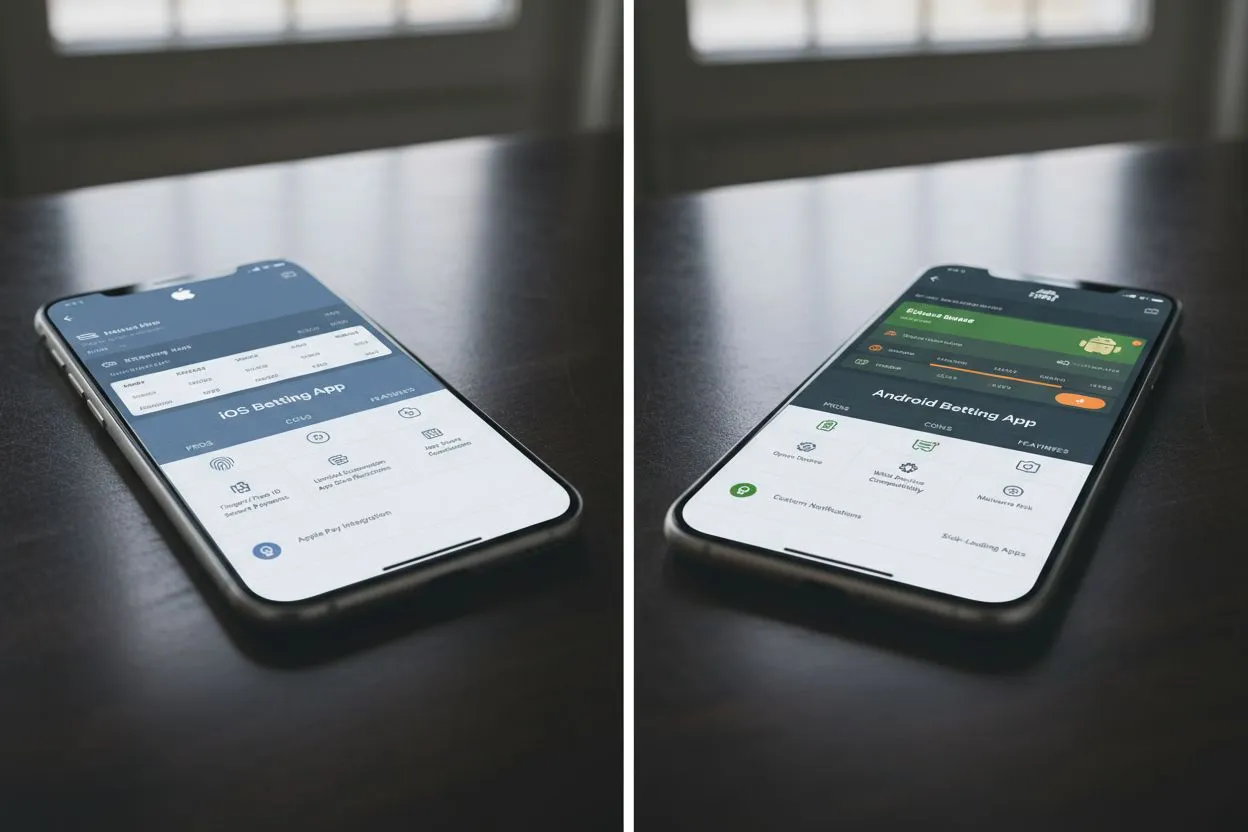
Modern mobile betting depends heavily on app performance, usability, speed and security. Both iOS and Android ecosystems offer advanced solutions, but each platform has unique strengths and weaknesses that affect how bettors interact with odds, markets and live features.
This article explores the core differences between iOS and Android betting apps, examining functionality, interface structure, security layers, customization options and overall user experience. The goal is to provide a detailed 1,500-word breakdown that helps users understand which operating system better supports consistent and intuitive mobile wagering.
Understanding the Core Functionality of Betting Apps on iOS and Android
The foundational architecture of iOS and Android shapes how betting apps behave from the moment they are installed. iOS operates within a tightly controlled environment, which ensures stability, strong permissions management and predictable performance. Because apps must conform to Apple’s strict development standards, most betting platforms on iOS appear refined, optimized and unified in terms of navigation flow. App size is often minimized, loading times are faster and battery usage generally remains consistent.
Android, by contrast, supports an open ecosystem where developers can experiment with broader functionality, integrations and interface variations. This freedom leads to more diverse betting apps, each offering unique layouts, live widgets, streaming modules and personalization settings. However, it also introduces inconsistencies: two Android devices running the same app may behave differently depending on hardware specifications, manufacturer overlay or OS version.
User Interface Experience and Navigation Flow Across Both Platforms
One of the defining aspects of the mobile betting experience is how efficiently users can move between markets, sports, betslips and live sections. iOS betting apps often prioritize a minimalist design with smooth transitions, clear labels and reduced clutter. Their consistent layout helps new bettors quickly adapt, while experienced bettors can rely on predictable menu placements and interaction patterns. Animations tend to be optimized, so even resource-heavy modules like in-play statistics load without stutter.
Android apps excel in adaptability. Developers can design expansive interfaces featuring customizable home screens, quick-access widgets, dark mode variants and personalized recommendations. This helps bettors create a tailored environment that supports their habits, especially those who frequently switch between sports or bookmakers. The challenge arises when certain device brands add their own interface layers, which may create display scaling issues, layout mismatches or occasional delays.
In the middle of the article, it is useful to highlight several key interface differences concisely. Before exploring them, it is important to note that these distinctions influence the learning curve and overall efficiency of placing bets. Below is a short list detailing how specific interface components differ between platforms.
- iOS prioritizes fixed navigation bars and uniform placement of key menu items, reducing adaptation time for users.
- Android allows flexible menu structures and more widget-driven layouts, offering deeper personalization.
- iOS gestures and animations follow strict guidelines, ensuring stable responsiveness across all devices.
- Android supports variable design elements, leading to broader interface creativity but also potential inconsistencies.
- iOS apps often feel faster due to optimized motion effects, while Android apps can feel richer thanks to modular components.
As this list demonstrates, user experience depends not only on the app itself but on the platform philosophy that guides app development. Bettors choosing between iOS and Android should consider whether they value speed and consistency above customization and feature expansion.
Performance, Stability, and Security in Betting Apps
Performance quality significantly affects live betting, where milliseconds influence decisions. iOS apps usually deliver stable frame rates, precise gesture controls and faster loading of live markets. Because Apple controls both software and hardware, betting apps encounter fewer compatibility problems. This makes iOS especially appealing for users who engage in rapid in-play betting or rely heavily on live streaming within the app.
Android’s performance varies depending on processor type, RAM, display refresh rate and manufacturer optimizations. High-end Android phones often outperform iPhones in pure speed tests, enabling extremely fast updates and multitasking. However, mid-range devices may struggle under heavy load, causing delays during peak betting times. This variation requires bettors to be mindful of device specifications when choosing Android as their primary betting platform.
Security is another critical factor. iOS applies stringent privacy controls, sandboxing rules and automatic permission handling. These measures significantly reduce unauthorized access risks, making betting transactions safer by default. Android has improved its security framework dramatically in recent versions, offering enhanced encryption, app verification and Google Play Protect scanning. Still, its open structure allows users to install apps from external sources, which increases exposure to unsafe files if precautions are not taken.
Feature Availability, Customization Options, and Platform-Specific Tools
Betting apps often differentiate themselves through innovative tools such as cash-out sliders, odds boosters, personalized alerts, multi-view live modules and advanced bet-builders. On iOS, features tend to be streamlined and highly polished because developers must meet Apple’s design and performance requirements. These limitations encourage quality and reduce clutter but may restrict more experimental functions.
Android apps offer broader feature sets due to flexible system permissions and customization freedom. Some bookmakers integrate floating betslips, live wallpaper widgets showing match stats, or interactive notifications that allow bet confirmation without opening the full app. This enhances convenience for power users who want constant updates and fast interactions.
A notable contrast appears in how each platform handles background processes. iOS limits app activity once the app is minimized, which preserves battery life but reduces real-time updates. Android permits more background execution, enabling continuous odds tracking and faster re-entry to live markets. The tradeoff is increased battery consumption and occasional overheating during extended sessions.
Before moving to the next section, it is helpful to present a comparative table summarizing major platform characteristics. This table offers a structured view of functional differences and allows readers to quickly reference performance expectations for each operating system.
Comparison Table: iOS vs Android Betting Apps
Below is a contextual introduction to the table. Betting performance, stability and overall usability differ significantly based on system architecture and app design rules. The following comparison table outlines the key distinctions between platforms, focusing on factors most relevant to bettors.
| Feature Category | iOS Betting Apps | Android Betting Apps |
|---|---|---|
| System Ecosystem | Closed, controlled | Open, customizable |
| Interface Consistency | High | Variable by device |
| App Performance | Stable and optimized | Dependent on device specs |
| Security Level | Very strong built-in protections | Strong but flexible, with some user risk |
| Customization | Limited | Extensive |
| Background Processes | Highly restricted | More permissive |
| Installation Sources | App Store only | Multiple sources |
This table illustrates how each platform offers advantages tailored to specific user preferences. Those seeking simplicity and reliability may gravitate toward iOS, while those wanting flexibility and dynamic features often prefer Android.
Choosing the Best Platform for Your Betting Needs
Selecting the ideal platform depends on personal betting habits, device preferences and expectations regarding performance or customization. iOS provides a polished, intuitive and secure environment ideal for bettors who prioritize fast navigation, consistent layouts and minimal risk. Its strength lies in the uniformity of user experience, which reduces friction when switching between different betting apps or bookmarking frequently used sections.
Android appeals to bettors who value creative features, tailored notifications and deeper modifications. Its broad hardware diversity enables users to pick devices with specific performance capabilities, such as high refresh-rate displays or expansive screens for multitasking. While this variety increases choice, it also requires careful device selection to maintain optimal betting performance.
For those who frequently engage with in-play betting and streaming, Android’s background processing advantages may provide faster updates, whereas iOS delivers stable interactions essential for rapid decision-making. Ultimately, both platforms can support high-quality betting experiences, but the best option aligns with each user’s priorities regarding speed, design, security and customization.
Conclusion
Both iOS and Android betting apps offer advanced functionality, but their differences define how smoothly bettors place wagers, analyze markets and track live results. iOS stands out for stability, security and consistent design, making it ideal for users who want a dependable and uniform experience. Android excels in personalization, flexibility and feature-rich interfaces that adapt to diverse devices and betting styles. Understanding these distinctions helps bettors select the platform that enhances efficiency, comfort and overall engagement.