Betting in seconds: how 5G changed mobile betting
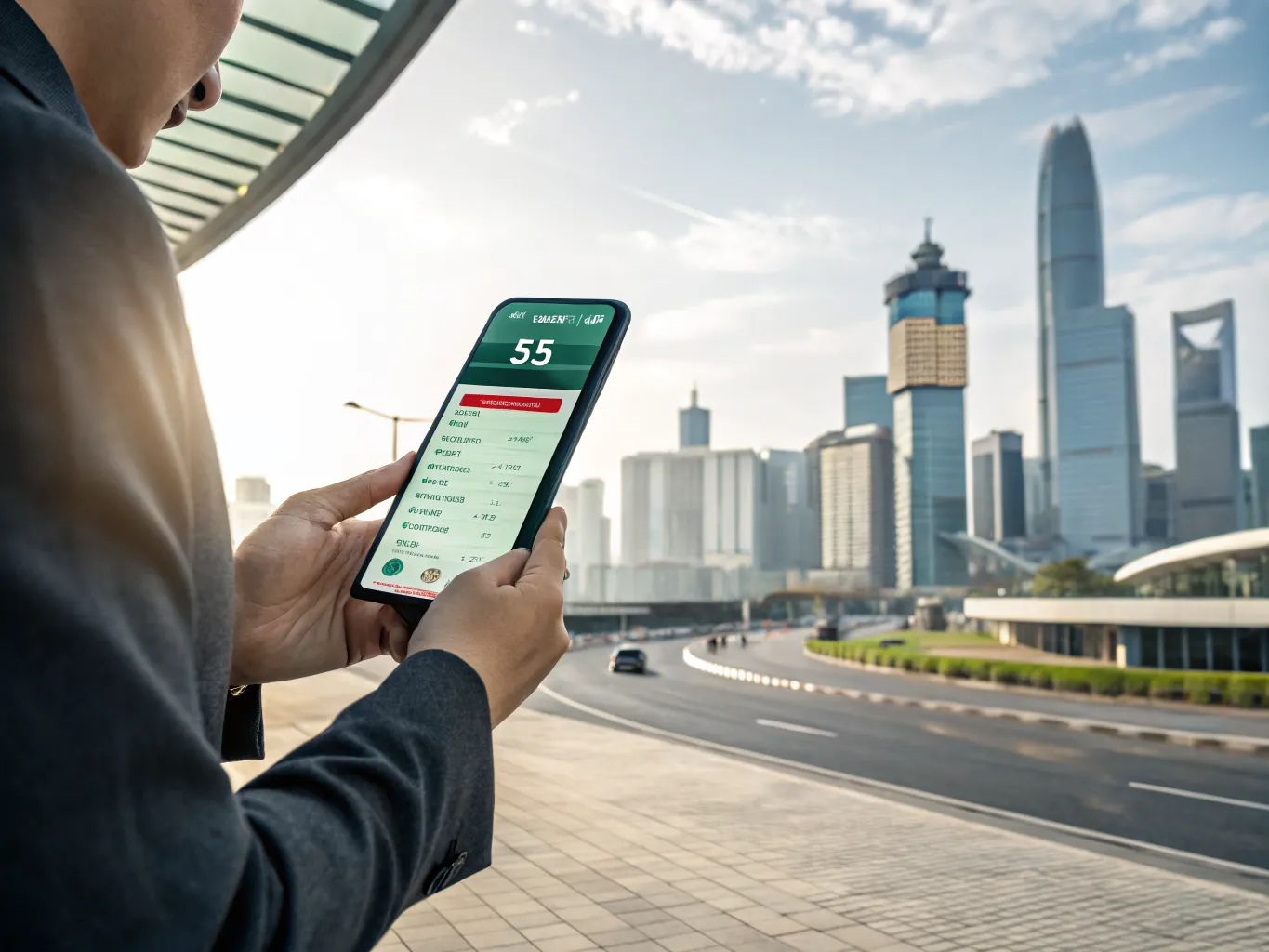
Mobile betting stopped being a “backup option” years ago. For millions of users, it became the main way to follow matches, react to odds, and place wagers while commuting, sitting in a stadium, or watching games with friends. The arrival of 5G accelerated that shift dramatically. Faster speeds alone are only part of the story. The bigger transformation came from lower latency, more stable connections, and the ability to process live data almost instantly.
For sportsbooks, this changed how platforms operate. For bettors, it changed expectations. A delay that once felt normal now looks broken. Waiting five seconds for odds to refresh during a fast football counterattack or a tense tennis tie-break suddenly feels outdated. The betting experience became more fluid, more reactive, and much closer to real-time sports consumption.
The difference is especially visible in live betting. During major football matches, NBA games, esports tournaments, or Formula 1 races, odds can shift several times within a minute. In the past, users often dealt with frozen interfaces, rejected bets, or odds changing before confirmation. With 5G networks reducing response delays, sportsbooks can now deliver a much smoother experience that feels immediate rather than interrupted.
Why speed became the most valuable feature in betting
There was a period when betting apps competed mostly through bonuses, flashy interfaces, and aggressive advertising. Those things still matter, but modern users judge platforms differently. The real competitive advantage today is responsiveness.
A bettor opening a live market during a Champions League match expects several things to happen instantly: the stream should load without buffering, the odds should update smoothly, statistics should appear in real time, and the bet should confirm immediately after pressing the button. If any part of that chain breaks, frustration appears immediately.
5G helped sportsbooks close the gap between what happens on the field and what appears on the screen. That gap may sound small in technical terms, but emotionally it changes everything. Sports betting is driven by timing, impulse, and fast decisions. A delay of even a few seconds can completely change a betting opportunity.
The impact becomes obvious during fast-paced events. Imagine an NBA game in the final minute where odds on total points move after every possession. On older networks, users frequently saw outdated lines because data traveled slower and apps refreshed less efficiently. With 5G, odds synchronization happens much faster, which creates a more accurate and fair environment for both sportsbooks and players.
This also reduced one of the biggest frustrations in live betting: rejected wagers. Many users remember placing a bet at one odd only to receive a message that the line changed before confirmation. While this still happens occasionally because odds naturally move, the frequency has decreased on well-optimized 5G-ready platforms.
The psychological effect matters as much as the technical side. Faster apps create trust. When a platform responds immediately, users feel more confident interacting with live markets, exploring additional betting options, and using advanced features during games.
Live betting became the center of the industry
Before mobile internet improved, pre-match betting dominated the market. Users studied games, placed wagers hours before kickoff, and checked results later. Live betting existed, but the experience was often chaotic.
5G helped transform live betting into the industry’s core product. Modern sportsbooks now build entire ecosystems around in-play wagering because the technology finally supports it properly.
Football provides the clearest example. During a single match, users can now access hundreds of constantly changing markets:
• Next goal scorer.
• Total shots on target.
• Yellow card timing.
• Possession percentages.
• Corner race markets.
• Player performance bets.
All these options rely on rapid data transmission. A market reacting too slowly becomes dangerous for sportsbooks and frustrating for users. 5G networks reduced that risk by making real-time synchronization much more reliable.
Tennis is another sport heavily influenced by faster mobile networks. Momentum changes within seconds. Odds after a double fault or a break point must update immediately. Modern betting apps now adjust lines almost in real time, creating a far more dynamic environment than older systems allowed.
Esports benefited enormously as well. Competitive gaming audiences already expect ultra-fast digital experiences. A laggy betting interface during a Counter-Strike or League of Legends match feels unacceptable to that audience. With 5G infrastructure expanding globally, sportsbooks targeting esports fans can finally provide the responsiveness those users expect.
Streaming quality also improved dramatically. Many betting apps now integrate live broadcasts directly into their interfaces. Users no longer switch between television, social media, statistics websites, and sportsbook apps. Everything exists in one ecosystem.
That convergence became possible because 5G can support heavier simultaneous data loads. High-definition streams, live statistics, animated visualizations, and betting markets can operate together without overwhelming the connection.
The relationship between sports consumption and betting became tighter than ever. Watching and wagering now happen almost as a single activity.
How 5G improved the user experience beyond raw speed
Most discussions about 5G focus only on download speeds, but betting platforms gained much more than faster loading times. Stability became equally important.
Older mobile networks struggled in crowded environments. Stadiums, concerts, airports, and busy city centers often overloaded mobile infrastructure. Betting apps became unreliable exactly where sports excitement was highest.
5G improved network efficiency in these situations. Users attending live events can now place bets more reliably even in packed venues where thousands of people use mobile devices simultaneously.
That changed stadium behavior significantly. During football matches, many fans now place live bets directly from their seats after seeing momentum changes with their own eyes. Sportsbooks recognized this shift and began designing faster mobile-first interfaces specifically for these moments.
The evolution also affected app design itself. Developers now assume users expect immediate interaction. As a result, betting platforms became cleaner, faster, and more intuitive.
Several important changes appeared across the industry:
| Betting feature | Before widespread 5G | After 5G expansion |
|---|---|---|
| Live odds refresh | Delayed or inconsistent | Near real-time updates |
| Video streaming | Frequent buffering | Stable HD streams |
| Bet confirmation | Several seconds | Instant or near-instant |
| In-play markets | Limited selection | Hundreds of dynamic markets |
| Multi-device use | Often unstable | Smooth synchronization |
| Stadium betting | Connection issues common | More reliable performance |
The practical result is that betting feels less like interacting with a traditional website and more like using a modern entertainment platform. Users expect constant movement, fluid animations, instant notifications, and uninterrupted interaction.
Push notifications became smarter too. Sportsbooks now send live prompts based on real-time events. A user watching a football match may instantly receive a boosted odd after a red card or injury. Since the network responds faster, these promotions can appear at exactly the right moment rather than arriving too late to matter.
Cash-out functionality improved as well. This feature depends heavily on speed because values change every second during live events. Faster mobile networks allow cash-out calculations to update more accurately and consistently, reducing sudden errors or frozen offers.
Real examples of how betting changed during major events
The difference between older mobile betting systems and modern 5G-supported experiences becomes obvious during massive sporting events where millions of users interact simultaneously.
During the FIFA World Cup, sportsbooks experience enormous traffic spikes. In previous years, betting platforms frequently struggled under pressure. Odds froze, streams lagged, and apps occasionally crashed during dramatic moments.
Recent tournaments showed noticeable improvement. Large operators invested heavily in infrastructure optimized for faster mobile environments. Users could switch between streaming, statistics, social interaction, and live wagering much more smoothly.
Formula 1 is another strong example because races involve continuous live data. Modern betting apps now update markets on pit stops, tire strategies, safety cars, and lap timings almost instantly. That level of responsiveness creates entirely new betting patterns because users can react to tactical developments immediately.
The NFL also benefited significantly from lower latency. American football already contains natural pauses between plays, making it ideal for rapid in-play betting opportunities. Sportsbooks now generate constantly evolving micro-markets during games:
• Result of the next drive.
• Next play type prediction.
• Quarterback passing distance.
• Fourth-down conversion outcomes.
• Time remaining before the next score.
These betting opportunities depend on extremely fast data processing. Without stable high-speed mobile infrastructure, the system becomes too slow to function properly.
Horse racing provides another interesting case. Betting on races has always depended heavily on timing. Mobile improvements now allow bettors to place wagers closer to race starts without experiencing the delays that once caused frustration or missed opportunities.
Even smaller sports gained visibility because faster networks support richer live coverage. Sportsbooks can now offer betting markets on niche events with integrated streaming and real-time statistics that would have been technically difficult years ago.
The industry shifted from static betting menus toward continuously evolving interactive experiences.
The hidden technology behind modern betting apps
Most users never think about the infrastructure operating behind a betting app, yet modern sportsbooks depend on extremely sophisticated systems.
A single live football match can generate thousands of odds changes within ninety minutes. Data arrives from tracking systems, statistics providers, video feeds, and trading algorithms simultaneously. All that information must travel through servers and reach users almost instantly.
5G helped solve several bottlenecks in this process, but sportsbooks also rebuilt their internal architecture to keep pace with faster networks.
Cloud computing became essential because betting traffic fluctuates dramatically. During major events like the Super Bowl or Champions League finals, platforms suddenly process enormous activity spikes. Cloud systems allow sportsbooks to scale resources dynamically instead of relying on fixed infrastructure.
Artificial intelligence now plays a major role as well. Modern trading systems automatically adjust odds based on live data patterns. Faster networks allow those AI-driven changes to reach users immediately.
Some platforms also use edge computing, where data processing happens closer to users geographically. This reduces latency even further and improves responsiveness during live betting.
The rise of wearable technology may push this evolution further. Smartwatches and connected devices already support simplified betting interactions in some regions. As mobile infrastructure improves, sportsbooks could eventually deliver ultra-fast micro-betting experiences through multiple connected devices simultaneously.
Voice interaction may also become more common. Instead of navigating menus manually, users could potentially place live wagers through voice commands while watching games. Faster mobile processing makes those interactions more practical than before.
The same applies to augmented reality features. Some betting companies are experimenting with interfaces that overlay live statistics and betting markets directly onto streamed sports content. Those experiences require powerful networks capable of handling large data flows without delays.
While many experimental features remain niche today, 5G created the technical foundation needed for these ideas to become realistic commercial products.
What the future of mobile betting may look like
The industry rarely slows down once technology opens new possibilities. Faster mobile networks already changed betting behavior, but the next phase may transform the experience even further.
Micro-betting appears to be one of the most important future directions. Instead of wagering only on major outcomes, users increasingly bet on extremely short-term events lasting seconds rather than minutes.
A basketball fan may bet on whether the next possession ends with a three-pointer. A tennis viewer may wager on the speed of the next serve. Football users may predict the outcome of the next attack sequence.
These ultra-fast markets only work if the technological infrastructure responds immediately. Delays destroy the experience entirely. That is why 5G became so important for the future of betting innovation.
Personalization is also becoming more advanced. Sportsbooks increasingly analyze user behavior in real time to customize recommendations, notifications, and betting interfaces dynamically during events.
Streaming integration will likely deepen further as sportsbooks compete directly with traditional sports media platforms. Betting apps may evolve into complete sports entertainment hubs where users watch matches, interact socially, consume statistics, and place wagers without leaving the same ecosystem.
Another major shift involves international accessibility. Faster mobile infrastructure expands betting participation in regions where desktop-based wagering was previously less practical. Mobile-first markets continue growing rapidly because smartphones became the primary gateway to digital entertainment.
At the same time, responsible gambling tools are becoming more important. Faster betting environments can increase impulsive behavior, so many operators now integrate spending controls, activity tracking, cooldown systems, and behavioral monitoring directly into apps.
The balance between speed and safety will become one of the industry’s defining challenges over the next decade.
Conclusion
5G did not simply make betting apps faster. It changed how people interact with sports entirely. The gap between watching a match and reacting to it through betting became dramatically smaller. Live wagering evolved from a secondary feature into the center of the modern sportsbook experience.
Users now expect instant interaction, real-time odds, smooth streaming, and uninterrupted access everywhere from stadiums to public transport. Sportsbooks that fail to deliver that experience quickly feel outdated.
The most important shift may be psychological rather than technical. Betting no longer feels delayed or disconnected from live sports action. It feels immediate, fluid, and deeply integrated into the way fans consume events.
As networks continue improving and betting platforms adopt more advanced technologies, the line between sports broadcasting, entertainment, and wagering will likely become even thinner. Mobile betting is no longer simply mobile. It became real time.