AI betting apps: personal predictions and dynamic odds
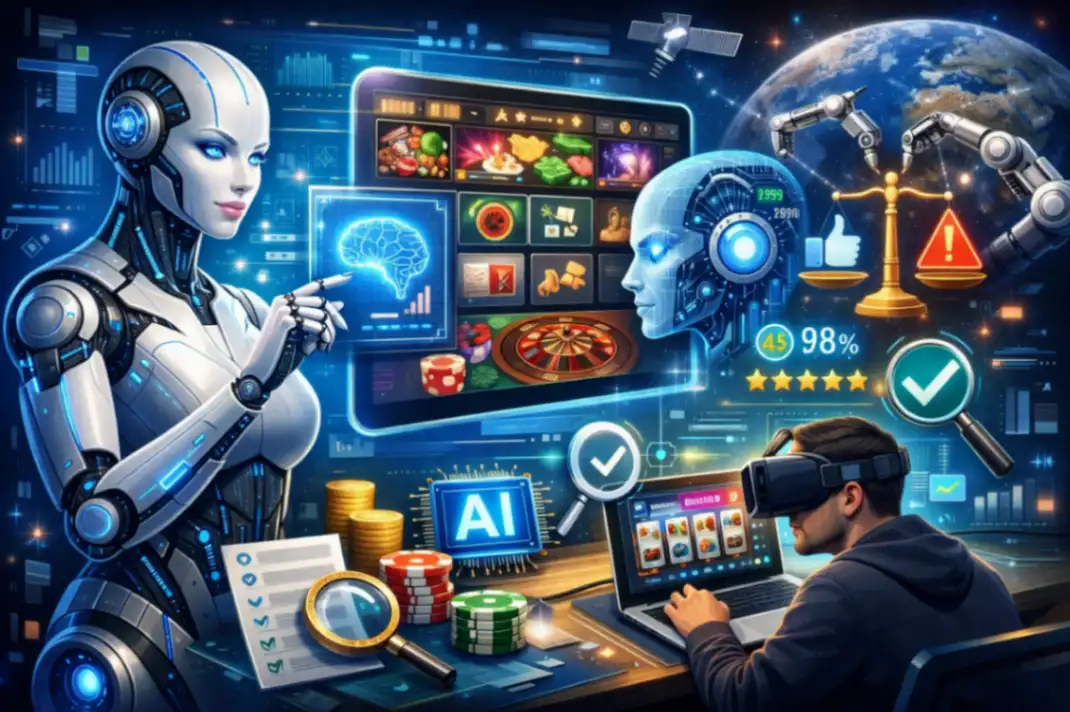
The sports betting industry is undergoing a quiet but powerful transformation. What used to depend heavily on intuition, public statistics, and bookmaker margins is now being reshaped by artificial intelligence. Modern betting apps are no longer just platforms for placing wagers — they are analytical tools that learn user behavior, process massive datasets, and generate personalized predictions in real time.
This shift has created a new environment where users are not simply reacting to odds but interacting with systems that adapt to them. AI-driven betting apps aim to bridge the gap between raw data and actionable insight, offering tailored recommendations that feel intuitive without being overwhelming. The result is a more dynamic, data-informed betting experience that continues to evolve with every interaction.
How ai is reshaping sports betting
Artificial intelligence has introduced a level of sophistication that traditional betting models simply cannot match. Instead of relying solely on historical performance or basic statistical trends, AI systems process vast amounts of structured and unstructured data simultaneously. This includes player performance metrics, weather conditions, tactical changes, injury reports, and even sentiment analysis from news and social media.
Machine learning models continuously update themselves as new data becomes available. This means that predictions are not static — they shift in response to real-time developments. A sudden lineup change or an unexpected weather shift can immediately influence probability calculations, leading to more accurate and timely odds.
Another important aspect is pattern recognition. AI excels at identifying subtle correlations that are difficult for human analysts to detect. These patterns can reveal inefficiencies in the market, allowing apps to provide insights that go beyond surface-level statistics. Over time, this creates a more nuanced understanding of sports dynamics, which is reflected in both predictions and odds.
The role of automation is also critical. Tasks that once required manual analysis are now handled instantly by algorithms. This allows betting platforms to scale their analytical capabilities while maintaining consistency and speed. For users, this translates into faster updates, smarter recommendations, and a more responsive interface.
Personalized predictions and user profiling
One of the most significant advantages of AI betting apps is their ability to tailor predictions to individual users. Personalization goes far beyond simply recommending popular bets. These systems analyze user behavior in detail, including preferred sports, betting frequency, risk tolerance, and past decision-making patterns.
By building a behavioral profile, the app can adapt its suggestions to align with the user’s style. A conservative bettor might receive recommendations focused on lower-risk outcomes, while a more aggressive user might be presented with higher-risk, higher-reward opportunities. This level of customization makes the experience feel more intuitive and relevant.
Personalization is not limited to bet selection. It also influences how information is presented. Some users prefer detailed statistical breakdowns, while others benefit from simplified insights. AI systems adjust the interface accordingly, ensuring that the data is accessible without being overwhelming.
Over time, the accuracy of these personalized predictions improves. As the system gathers more data about user interactions, it refines its understanding of preferences and decision-making patterns. This creates a feedback loop where both the user and the algorithm evolve together, leading to increasingly precise recommendations.
Dynamic odds and real-time adaptation
Traditional odds are typically set before an event and adjusted periodically based on market activity. AI-driven platforms take a different approach by continuously recalculating odds in real time. This dynamic model reflects not only external factors but also betting behavior across the platform.
Real-time adaptation allows for more accurate pricing of probabilities. When new information becomes available, such as an injury during a match or a sudden change in momentum, the system updates the odds almost instantly. This reduces the lag between events and market response, creating a more fluid betting environment.
Dynamic odds also introduce a new layer of engagement. Users are encouraged to monitor changes and react quickly, as opportunities can appear and disappear within seconds. This adds a strategic element to betting, where timing becomes just as important as analysis.
From the platform’s perspective, dynamic odds help manage risk more effectively. By continuously adjusting probabilities, the system can balance exposure and maintain stability. This creates a more sustainable ecosystem where both the bookmaker and the user benefit from improved accuracy.
Key features of modern ai betting apps
Modern AI betting apps combine multiple technologies to deliver a seamless experience. These features are designed to enhance both usability and analytical depth, making advanced insights accessible to a wide audience.
Some of the most notable features include:
• Real-time data integration that updates predictions instantly as new information becomes available.
• Predictive models that analyze multiple variables simultaneously to generate accurate forecasts.
• Behavioral tracking that adapts recommendations based on user preferences and history.
• Automated alerts that notify users of significant changes in odds or new betting opportunities.
• Visual dashboards that present complex data in a clear and intuitive format.
These features work together to create an environment where users can make informed decisions without needing deep technical knowledge. The goal is to simplify complexity while preserving analytical power, allowing both beginners and experienced bettors to benefit from AI-driven insights.
Comparing traditional and ai-driven betting models
Understanding the difference between traditional and AI-driven approaches helps highlight the impact of this technological shift. The contrast becomes especially clear when looking at how data is processed and how decisions are made.
Before diving into the comparison, it is useful to consider how each model approaches prediction and risk management. The following table outlines the key distinctions:
| Aspect | Traditional betting | AI-driven betting |
|---|---|---|
| Data usage | Limited datasets, mostly historical stats | Large-scale data including real-time inputs |
| Prediction method | Manual analysis and fixed models | Machine learning and adaptive algorithms |
| Odds updates | Periodic adjustments | Continuous real-time recalculation |
| Personalization | Minimal or none | Highly personalized recommendations |
| Speed of response | Slower, dependent on human input | Instant updates based on new data |
This comparison highlights how AI-driven systems offer a more flexible and responsive framework. The ability to process data at scale and adapt in real time creates a significant advantage in terms of accuracy and user experience.
The shift toward AI is not about replacing traditional methods entirely but enhancing them. Many platforms still incorporate human expertise, combining it with algorithmic analysis to achieve a balanced approach. This hybrid model often delivers the best results, leveraging both intuition and data-driven precision.
Risks, limitations, and ethical considerations
Despite its advantages, AI in betting is not without challenges. One of the main concerns is overreliance on algorithmic predictions. While AI can process vast amounts of data, it is not infallible. Unexpected events, such as rare player performances or unpredictable match dynamics, can still lead to inaccurate forecasts.
There is also the issue of transparency. Many AI models operate as “black boxes,” making it difficult for users to understand how predictions are generated. This lack of clarity can create trust issues, especially when outcomes do not match expectations.
Data privacy is another important factor. Personalization relies on collecting and analyzing user data, which raises questions about how that information is stored and used. Responsible platforms must ensure that data is handled securely and ethically.
Additionally, the increased accessibility of advanced analytics can lead to more frequent betting behavior. While this enhances engagement, it also requires users to maintain discipline and awareness. AI tools should be seen as aids, not guarantees of success.
The future of ai betting platforms
The evolution of AI betting apps is far from complete. As technology continues to advance, these platforms are likely to become even more sophisticated. One area of growth is the integration of predictive analytics with immersive interfaces, such as augmented reality or interactive dashboards that simulate different outcomes.
Another emerging trend is the use of reinforcement learning, where algorithms improve through continuous interaction with the environment. This could lead to even more accurate predictions as systems learn not just from data but from the consequences of their own decisions.
Collaboration between AI and human expertise is also expected to deepen. Analysts can provide contextual insights that algorithms may overlook, while AI handles large-scale data processing. This synergy has the potential to redefine how betting strategies are developed.
In the long term, AI betting platforms may expand beyond sports into other predictive markets, including financial forecasting and entertainment events. The underlying technology is adaptable, making it applicable to any domain where probabilities can be modeled.
Conclusion
AI betting apps represent a significant step forward in how predictions and odds are generated. By combining real-time data processing, machine learning, and personalization, these platforms offer a more dynamic and informed betting experience. The ability to adapt instantly to new information and tailor insights to individual users sets them apart from traditional models.
At the same time, the technology requires a balanced approach. Understanding its limitations and using it responsibly is essential for maintaining control and making sound decisions. AI is a powerful tool, but its effectiveness depends on how it is applied.
As the industry continues to evolve, the role of AI will only grow. Betting is no longer just about guessing outcomes — it is about interpreting data, recognizing patterns, and making informed choices in a rapidly changing environment.